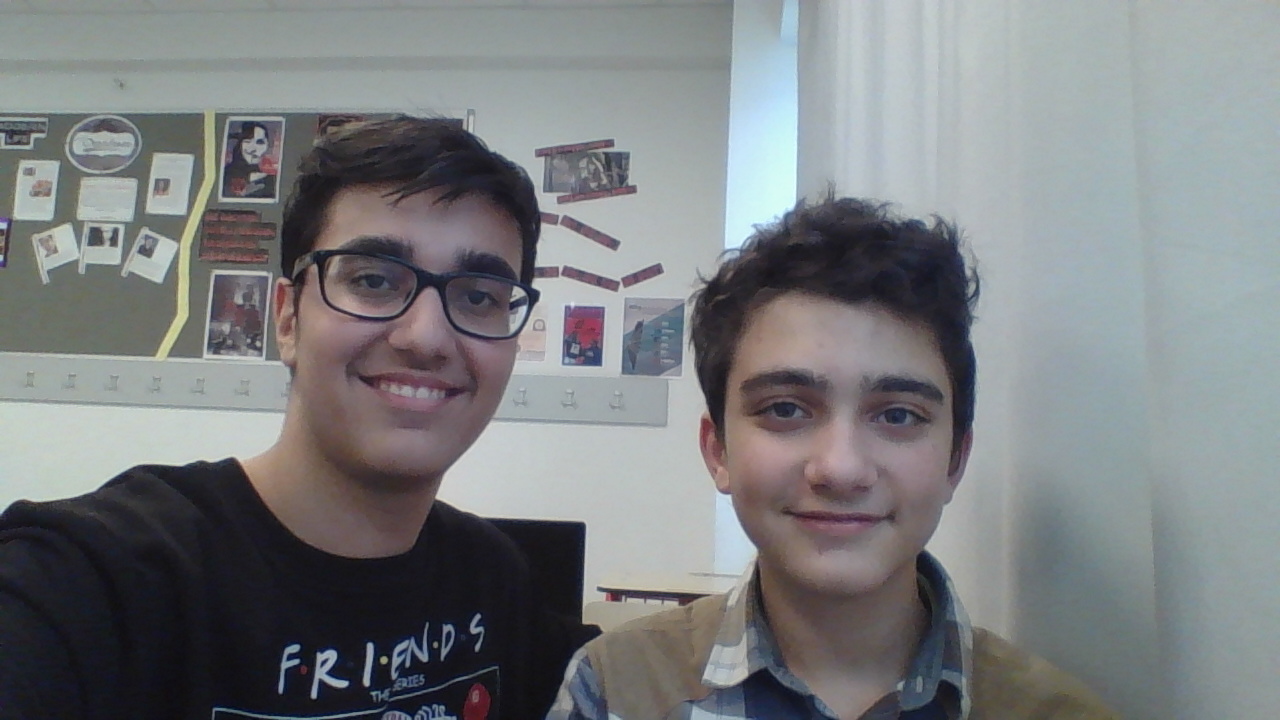
Born in Izmir/Turkey, 23 October 2004. Currently a student at TED Ronesans College. Member of the global citizenship club and trying to be a better citizen. Likes reading classic novels and scientific journals. Aims to be a physics professor.
Ali Ozan Öztarhan
Born in Istanbul/Turkey, 20 July 2004. Currently a student at TED Rönesans College. Member of the global citizenship club and trying to be a better citizen. Working about physics and economics. Loves history.
After time we decided to publish this article in order to inform you about latest events that occured.
What is GCC?
GCC stands for Global Citizenship Club and by a global citizen, we mean the idea that all people have equal rights and responsibilities that actually come with being a member of this world.
Rather than being a citizen of a particular place; we, as a club, are trying to spread the truth that we all are part of this world.
Our Challenge
Our challenge is about raising awareness as a whole. We are the “us” themed group in our global citizenship club and we are trying to previse the society. By that I mean we are trying to spread the point that we all have responsibilities and without applying them we will not be able to develop at all.
A New Event
A new GCC event will occur between 15th and 17th of March. This event will take place in İzmir and in there we will be discussing our ideas and projects. Also we will cover our milestone projects and main projects; discuss about new themes and gather information.
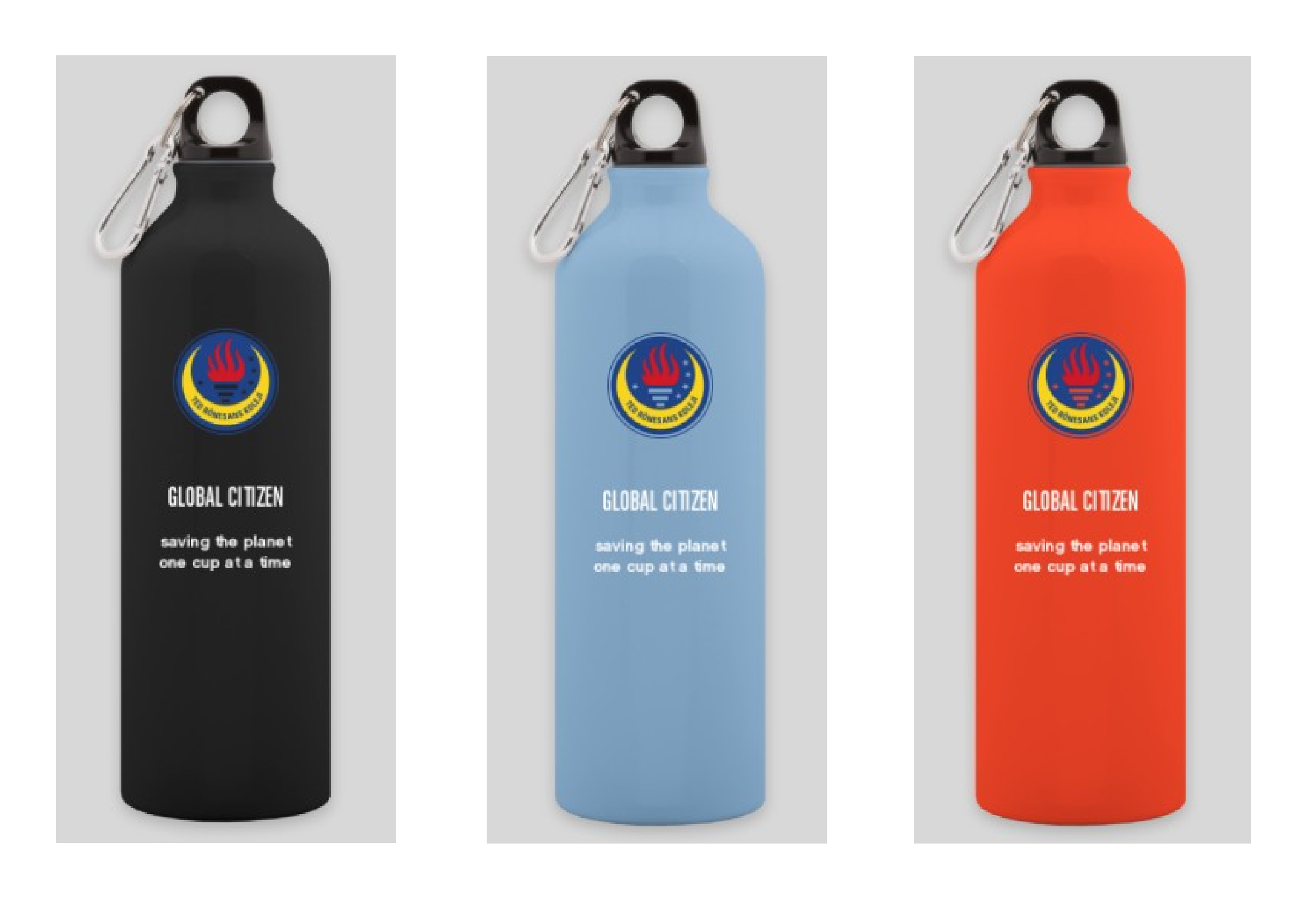
We are planning on a project in which we are going to sell re-usable water bottles to the students at a cheap price and it will cost less than the paper cups which our school purchases a lot of. We have chosen the deadline at the end of February so it is an ideal time for us. Hopefully our school will be able to help us with the bottles and also making a logo on them.
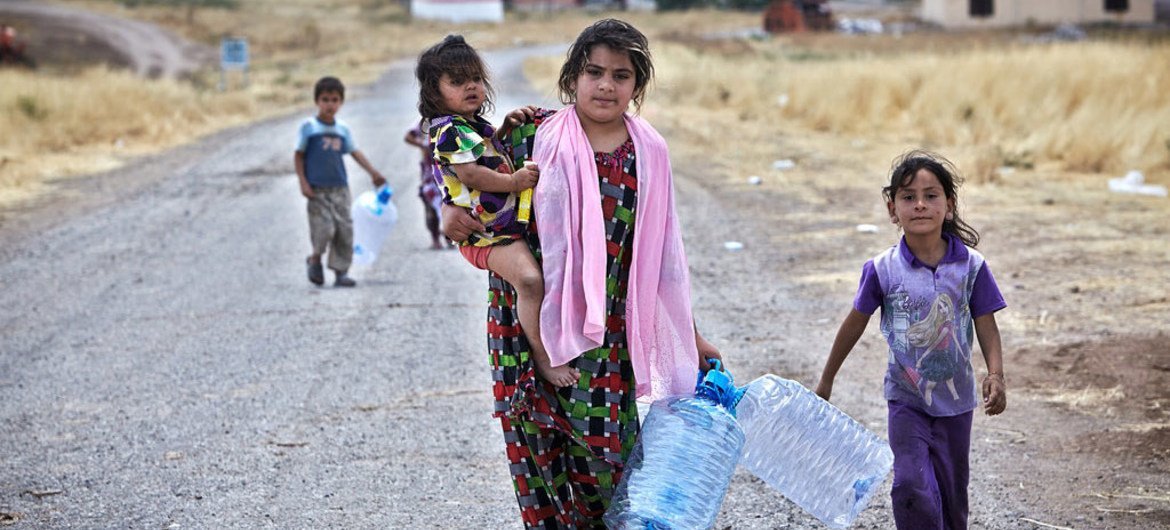
We, as GCC students, want to draw attention to the water problem around the world. We can only do it as a part of a whole and that is our project. We would like to give examples from articles in order to show why water is so vital.
“Try to imagine your life without water.”
You probably wouldn’t get through the first 15 minutes of your day: You drink water from the faucet, brush your teeth, flush the toilet, take a shower. And that’s just the water you actually see. Water also irrigated the cotton in your pajamas and sheets, produced the energy that powers your bedside lamp, and helped to mine the filament in your light bulb. It’s in your coffee and your coffee pot. It’s in the milk and in the alfalfa that fed the cow that produced the milk.
Do you know where your water comes from? Not the tap, but the source? Is it a nearby river? A lake? A groundwater aquifer? Now think about how much water you use. Can you quantify it?
The average American household of four consumes 400 gallons per day. Juxtapose this with the water use of many families in Africa and other parts of the developing world, who often consume as little as 5 gallons per day. Their morning looks very different, too: Mom wakes up and begins a sometimes miles-long trek to the nearest water source to fetch all the water for the day’s drinking, cooking, and cleaning. Her daughters join her (girls are twice as likely as boys to be responsible for collecting water).”
This was an article about water from World Wild Life
“Clean Water is essential for life, but most people in the developed world don’t think much about the water they use for drinking, food preparation, and sanitation. In developing nations, however, the search for safe drinking water can be a daily crisis. Millions of people die each year, most of them children, from largely preventable diseases caused by a lack of access to clean water and proper sanitation.”
This was an another article from National Geographic.
 Us For All Of Us